
For distinctive baijiu with real selling points, stop settling for conventional packaging design — go for differentiation and personality instead. That's how you break out of the sea of baijiu products and boost sales power.
A licorice liqueur business owner came in fuming: the previous design agency had given him a particularly "premium" proposal — gold foil, hot stamping, and plenty of spend.
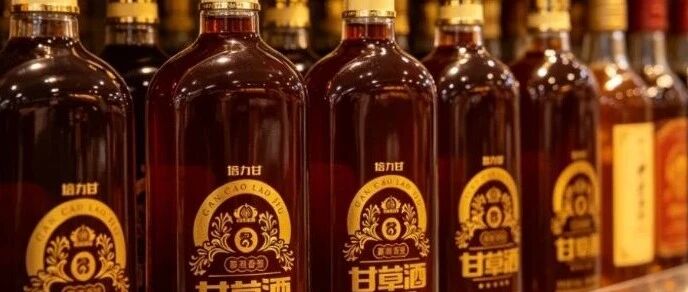
The client boss is a straightforward, no-nonsense kind of guy. He said: Don’t bother with all that fancy stuff. Let’s just focus on making good baijiu, and keep the packaging simple.
I told him that this way of thinking is exactly backwards.
Think about it—who is this licorice baijiu sold to? The people who buy it are mostly older folks who trust old remedies. When these people shop, what they care about isn’t “premium”—it’s “reliable.”
He thought about it and said: So what does reliable look like?
I said, your baijiu is called licorice baijiu, made from an old remedy, with amber-colored liquid—that in itself is a story. So let’s follow that: use a dark brown frosted glass bottle, letting the color of the baijiu stay muted inside, making it look substantial; use a gold metal cap—when you twist it, there’s a click, and it feels weighty; don’t use large areas of gold on the label—make a gold-foil crown emblem label, like something that came out of an old apothecary; underneath, set a line of “Shidi Fragrance Type” in old Song typeface—no fancy scripts.
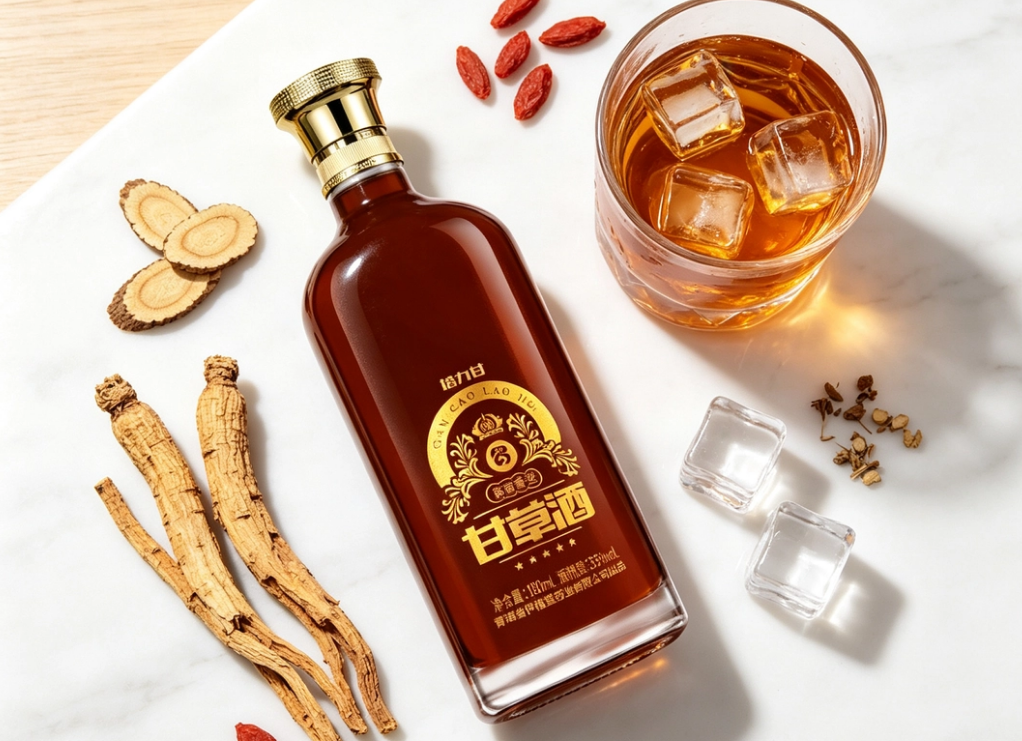
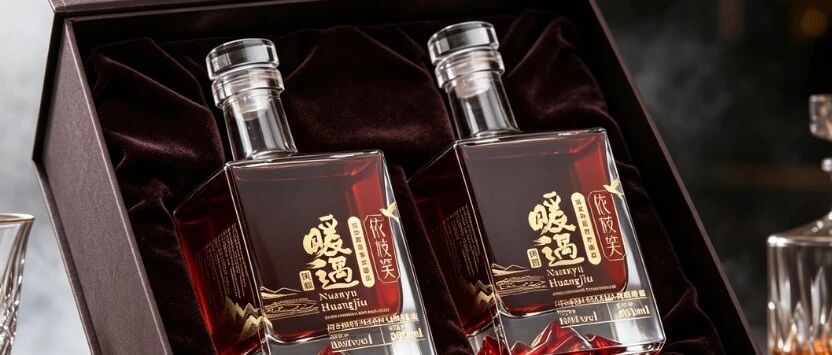
— Dark brown frosted bottle and gift box display
He was half doubtful: Will this work?
I said, don’t worry about whether it works yet. Think about when you were a kid, getting medicine at the apothecary—those bottles and jars behind the counter, wasn’t that exactly the vibe? When customers see it, words like “old brand,” “ancestral,” and “meticulous” immediately pop into their heads—and those words are the value of your baijiu.
Before even twisting the cap, they touch the bottle and say: This bottle is frosted—it feels solid in the hand. Then they see the red velvet cloth inside the box, and someone asks on the spot: This baijiu is for gifting, right?
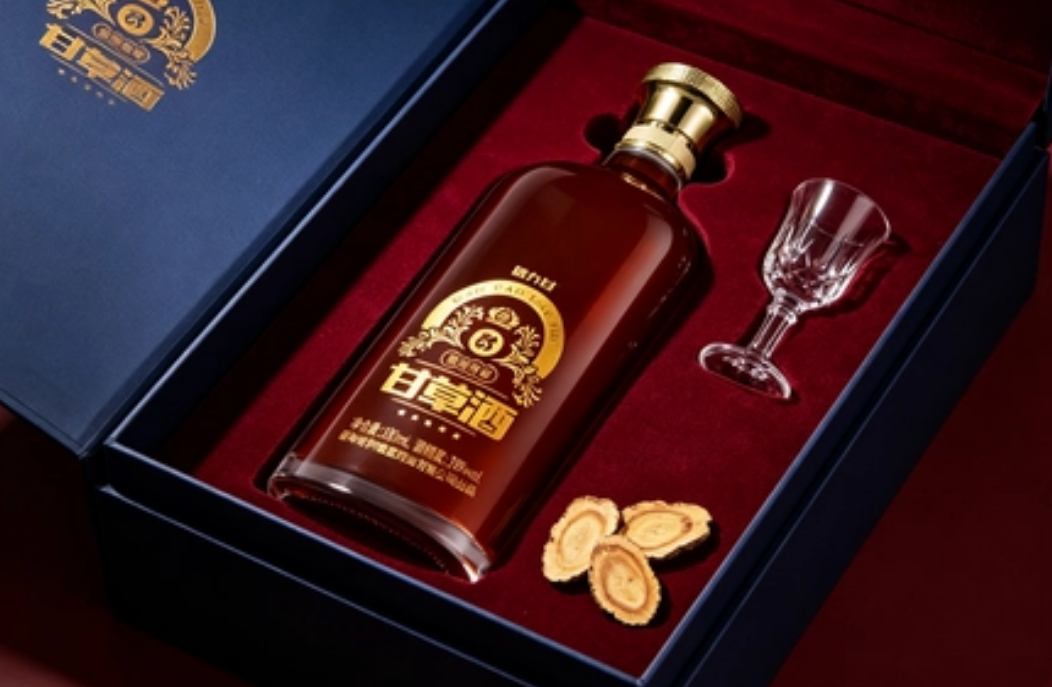
— Real shot of gift box with red velvet lining, opened
This is the difference between marketing and selling. Selling is chasing people and shouting “my baijiu is good”; marketing is putting the value out there and letting people come to the conclusion themselves that “this baijiu is reliable.”
Actually, marketing—it sounds mysterious, but it’s also simple. There’s a saying from Drucker that I really believe: The ultimate goal of marketing is to make selling superfluous. If your product is understood at a glance, believed once understood, and bought once believed—then who needs to sell it?
Placed next to brightly colored health baijiu, it actually stands out—in a noisy place, quiet is the loudest voice.
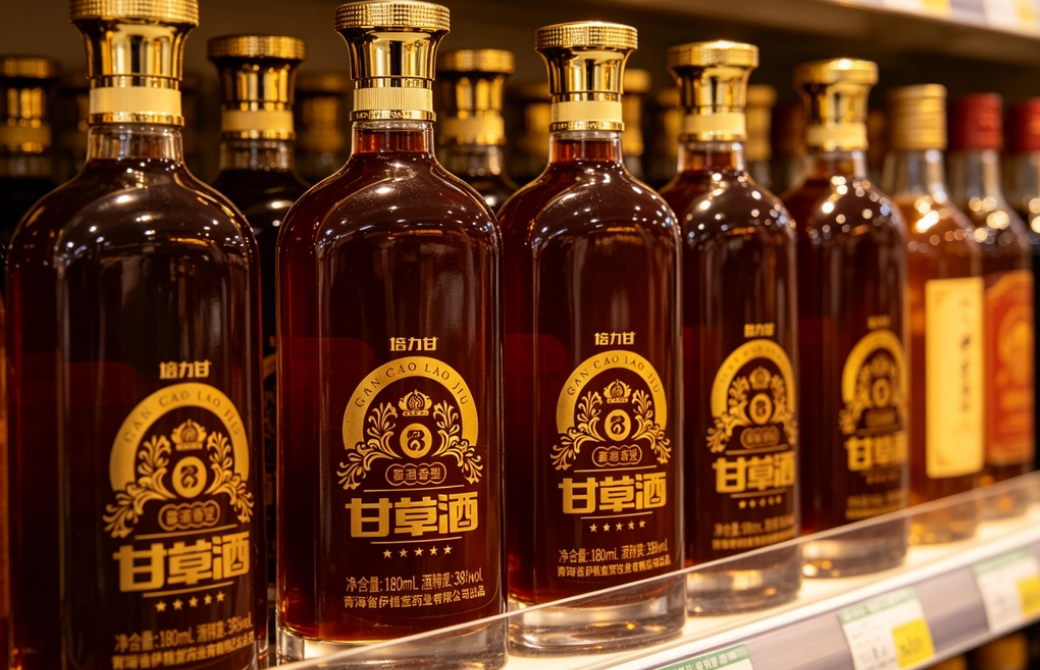
— Real shot of supermarket shelf display
But there’s a prerequisite here: your product has to truly be worth the price. Packaging is the hook that makes people “believe”; the product is the anchor that makes people “stay.” The hook has to catch people, and the anchor has to keep them—you can’t do without either. Your baijiu is genuinely good right now; what’s missing is that hook, and I’ve filled it in for you.
For that crown emblem, we adjusted the gold foil several times: too bright and it looks nouveau riche, too dark and you can’t see the dimension. In the end we settled on a fine-shimmer gold foil stamp—under the light it has layers, and when your finger runs over it, it’s flat and doesn’t scratch.
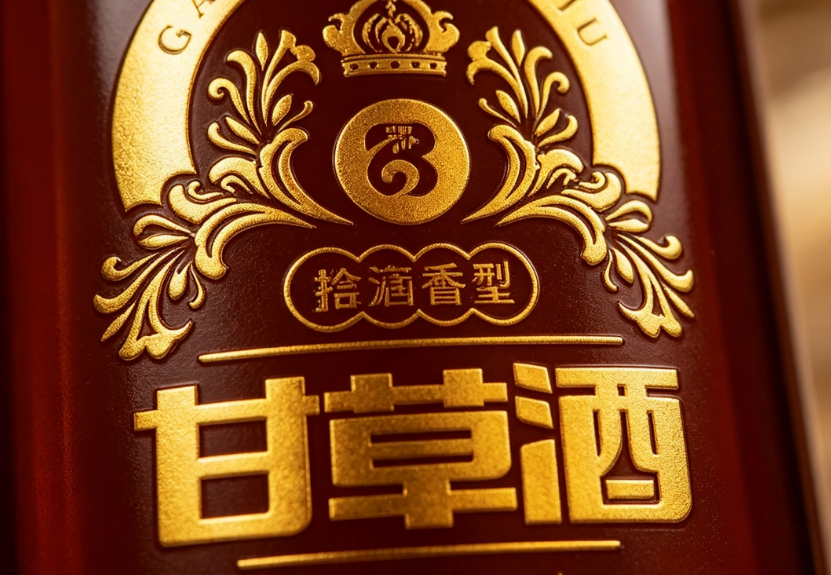
— Close-up of gold-foil crown label and Shidi Fragrance Type
Once the direction is right, the rest is just a matter of time.
Sanyao Packaging
Good packaging speaks for itself
About This Case: Quick Answers
Are finishing processes on packaging (foil stamping, matte lamination, etc.) worth it?
Spending a few dimes to a dollar more per bottle buys you a texture that lights up under the counter lights at a glance, and the gut feeling that "this bottle isn't cheap." Finishing isn't showing off technique—it's money spent on making consumers willing to believe it's worth the price, and that dollar comes back doubled in the selling price.
Can my product use the same playbook as this "licorice liquor" approach?
Yes. This logic doesn't discriminate by category—as long as your product sits on the shelf looking like everyone else's and consumers can't recognize you in three seconds, it works. When it comes to execution, we'll set a new plan based on your category, channel, and price band rather than forcing someone else's face onto yours.
What do you generally charge for product packaging, and how long does it take?
We bill per project, depending on category complexity, the number of series, and whether prototyping and extensions are included. Typically 2–4 weeks: week one sets direction and positioning, week two delivers concepts, and weeks three and four deepen, prototype, and finalize. Rush jobs can be compressed, but we recommend leaving time for physical prototyping. Send us your materials for a free diagnosis before we quote.
We're in another city—can we work together online?
Yes. Many of our projects are remote collaborations: materials coordinated online, concepts reviewed in the cloud, prototypes shipped by courier—no geographic limits, and we work with clients nationwide.
CommentsBe kind, communicate rationally