
Packaging is not art, not fine art, not putting on an exhibition — packaging is down-to-earth marketing operations; packaging is a commercial act, a practical kind of operations
Let's start with a question: what is operations?
Author: Sanyao Packaging Design | 5 min read
Let me start with a question: what is operations?
It’s quite late today, but I think it’s worth exploring my current thinking. Many people assume operations means posting on social media, doing livestreams, and running campaigns. I used to think that too, until after a few years of doing packaging myself did I understand that the essence of operations is changing the current state of a thing: letting people who haven’t seen your product see it, letting those who’ve seen it remember it, and letting those who remember it pay for it.
And packaging happens to be the cheapest, highest-frequency lever among these three things.
What is packaging operating on? Three things
When we designed packaging for a peach beverage, the client’s first question was: are you a design firm or an operations firm? I said both.
Beverages are a typical fast-moving consumer good—shelves are lined with colorful cans, and your can has to be seen within three seconds—that’s operating “traffic”; once seen, the shopper has to understand within one second what you are and whether it tastes good—that’s operating “information”; after drinking it, the next time they stand in front of the shelf they can still recall you—that’s operating “repeat purchase.”
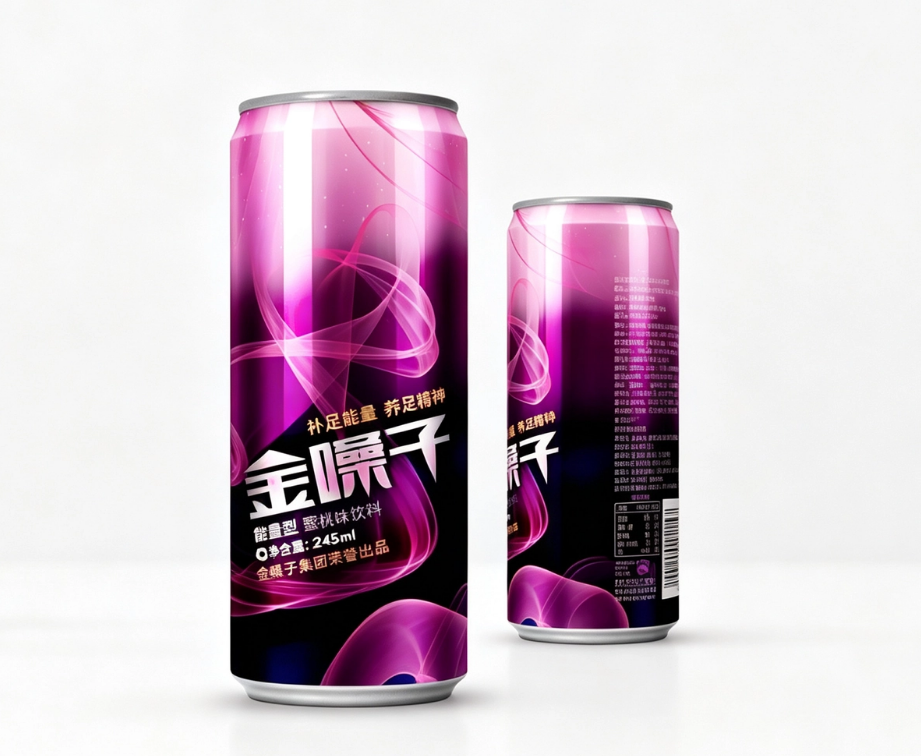
— Jin Sang Zi Peach Beverage - Gradient Purple-Pink Can
That beverage ultimately chose a gradient purple-pink can body, with the peach element drawn directly on the can, no beating around the bush. The client later reported that among a row of beverages on the shelf, it was the one kids pointed to first. What it operates is the “being seen” step.
Figure out the state first, then start drawing
The biggest fear in packaging is drawing right away. What you’re drawing isn’t an image—it’s the state you want consumers to move from and to.
For example, your current state is: consumers walk past you without looking. The state you want to reach is: they pick it up and put it in the cart. Then every element on the packaging—color, font size, selling points, graphics—serves “picking it up.” Any decoration unrelated to that goal is operational waste.
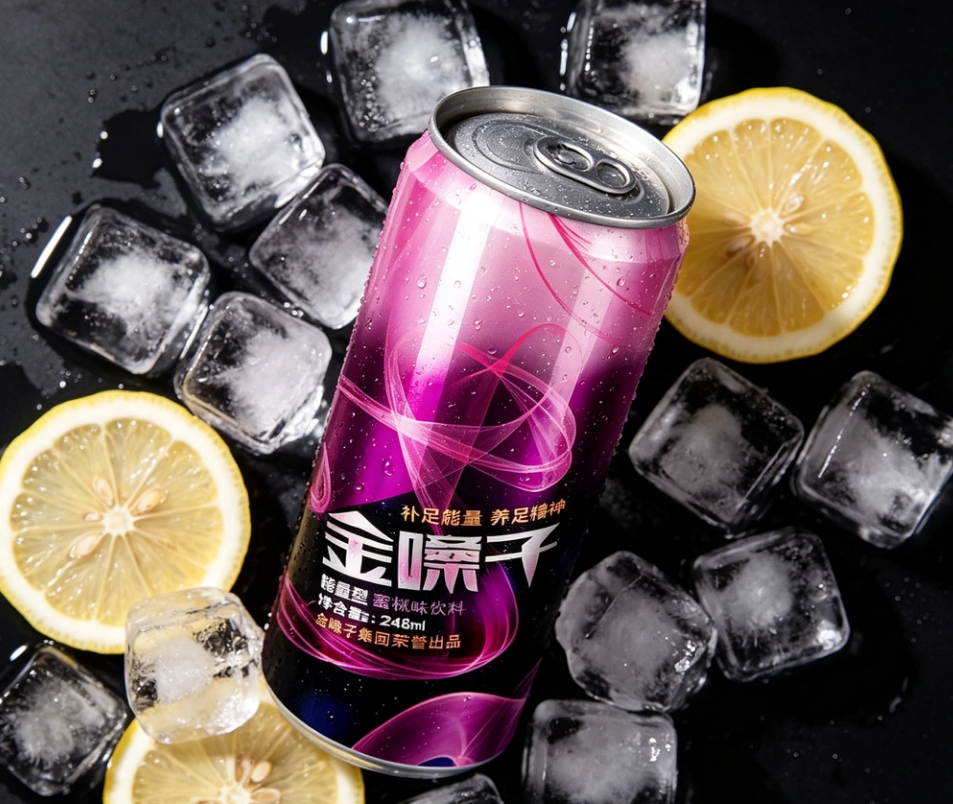
— Jin Sang Zi Peach Beverage - Icy Scene Can Body
That’s why we ask a pile of questions when taking on a project: where is your product sold? Who’s around the shelf? Is the shopper in a hurry or browsing? The more detailed the questions, the more accurate the packaging. Bosses who can’t answer aren’t lacking a good product—they just haven’t seen their product’s “current state” clearly yet.
Don’t mess up the rhythm
Operations is all about rhythm: launches have their launch playbook, day-to-day has its day-to-day playbook. Packaging is the same—if a brand looks the same all four seasons, consumers won’t recognize you; if one look is used to death, it’ll seem dated.
Products like beverages make this even more obvious—summer and winter give the can a different feel. We generally recommend clients do a “base edition + seasonal edition”: the base edition handles stable recognition, the seasonal edition creates freshness. Both are operating, but each does its own job.

— Jin Sang Zi Peach Beverage - Can Body Detail
Judgment is what makes advanced operations
Low-level operations is publishing content; advanced operations is judging what to publish and when to stop. The packaging industry is the same—the most valuable thing isn’t how many styles you can draw, but whether you can judge what this category, this channel, and this audience should use.
You don’t need to know design software; what you need to understand is: what state your product is in now, and what state you want it to become. Once that’s clear, leave the rest to the professionals.
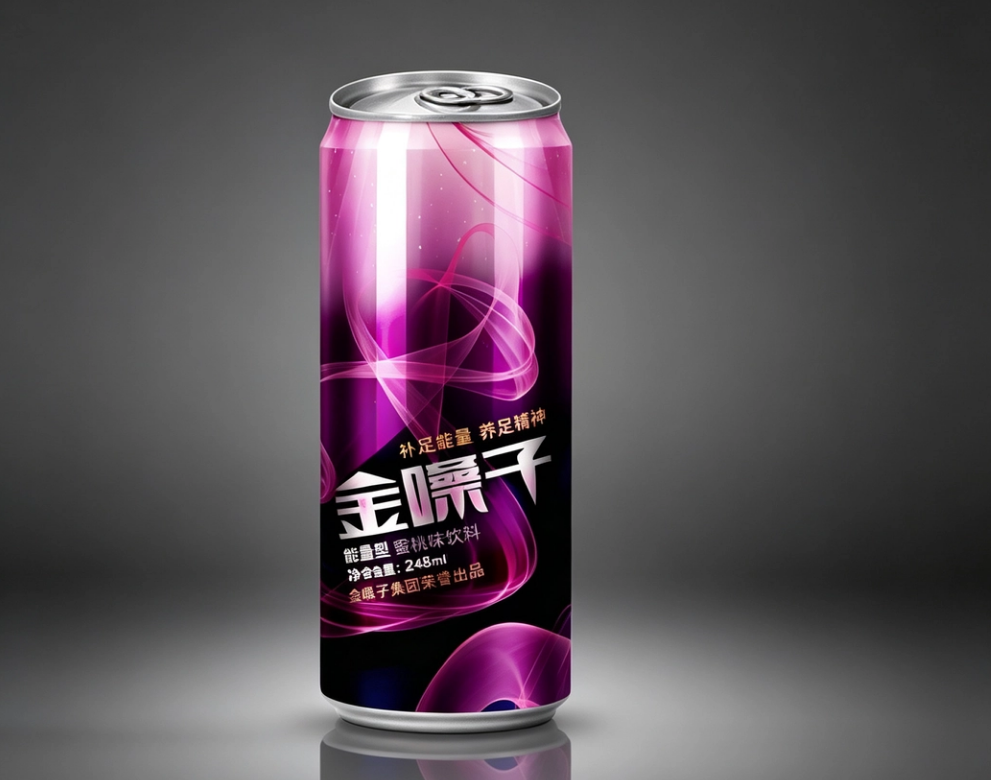
— Jin Sang Zi Peach Beverage - Product Display
(The content represents personal views, for reference only, for reference only)
About This Case: Quick Answers
How exactly does a product get "seen" on the shelf?
Consumers give you only three seconds in front of the shelf. The most reliable approach is to design in two layers: from three meters away, grab attention with color and shape; within one meter, stop people with information and cultural trust signals. The root cause of most products not selling isn't that they're bad — it's that the "good" never manages to shout from three meters away.
Can my product use the product approach described in this article?
Yes. This logic isn't picky about category — it works as long as your product stands on the shelf looking much like everyone else's and consumers can't recognize you in three seconds. When it comes to execution, we'll redefine the plan based on your category, channel, and price band, rather than forcing someone else's face onto yours.
If I hire you for product packaging, how do you usually charge, and how long does it take?
We charge per project, depending on category complexity, the number of series, and whether prototyping and extensions are included. Typically 2–4 weeks: the first week sets direction and positioning, the second week delivers concepts, and the third and fourth weeks deepen, prototype, and finalize. Rush timelines can be compressed, but we recommend leaving time for physical prototyping. Send us your materials for a free diagnosis first, then we'll quote.
We're in another city — can we collaborate online?
Yes. Many of our projects are remote collaborations: materials coordinated online, concepts reviewed in the cloud, prototypes shipped by courier — no geographic limits, and we work with clients nationwide.

CommentsBe kind, communicate rationally