
How can personalized baijiu packaging design for a niche, small-category product find a unique direction that closes the distance with consumers?
A client who makes Qi Wang baijiu came to me for packaging and said right off the bat: give this baijiu of mine some "culture," ideally make it look high-end, so people immediately feel there's scholarship behind it. I said
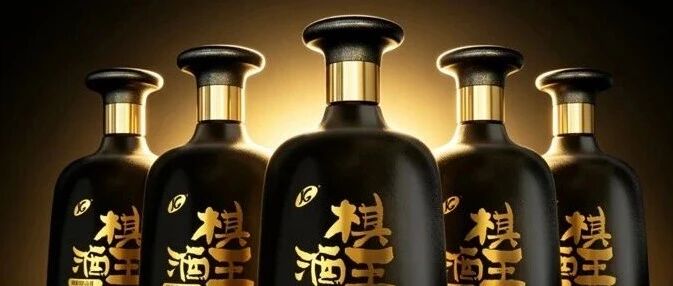
Fellow chess players! People who play chess love to ponder, they’re particular — they buy a good bottle of liquor to drink while playing, and it has class.
This liquor doesn’t sell liquor — it sells the four words “以棋会友” (making friends through chess).
Think about it: when chess friends get together to play, are they drinking liquor? They’re drinking that spark of “棋逢对手” (meeting a worthy opponent). If your bottle is covered in “baijiu,” “strong aroma,” “52 degrees,” how is it any different from the other baijiu on the supermarket shelf? But if the bottle says “棋王” (Chess King) in two big characters, paired with the mood of a chess game — chess friends see it and their heart skips: this liquor gets me.
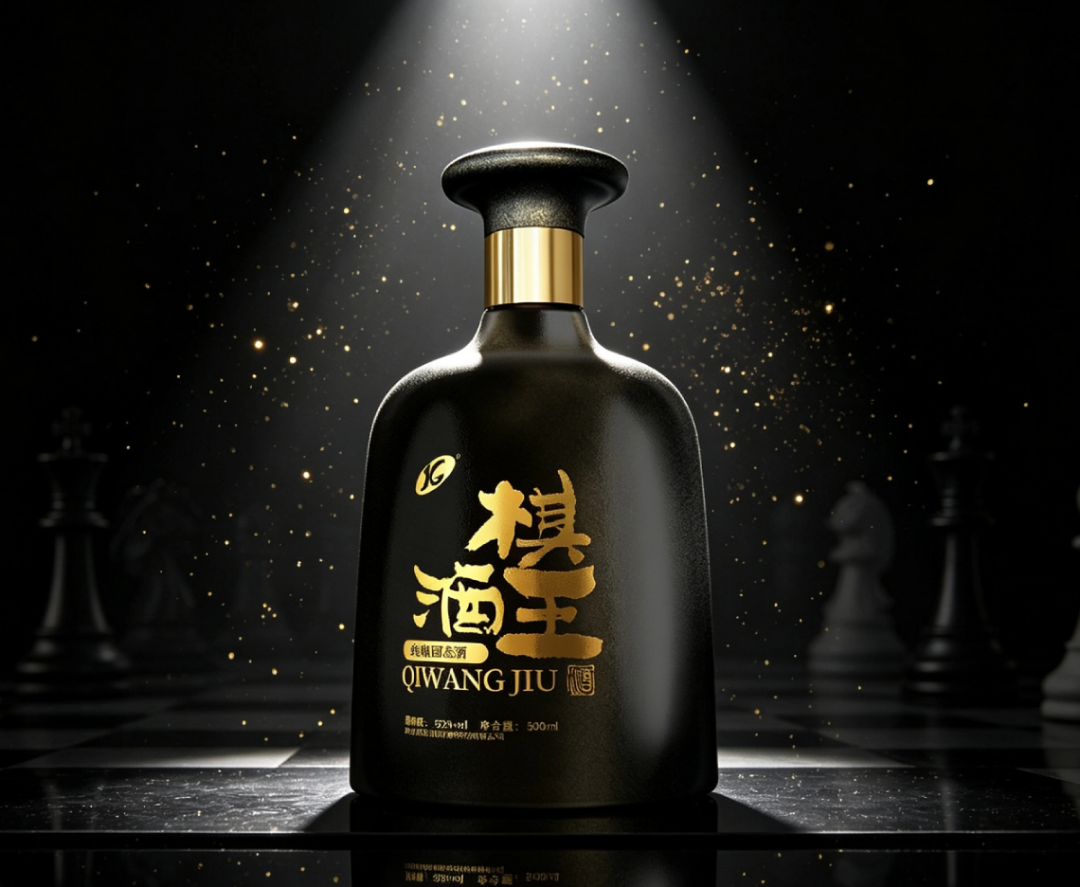
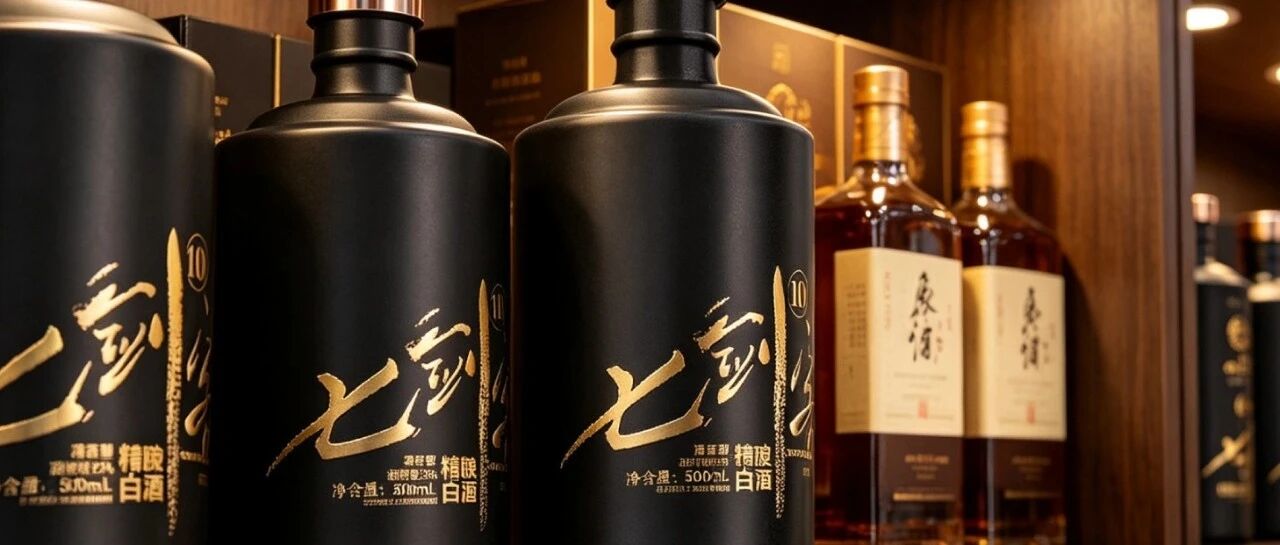
Matte black porcelain bottle, with two gold-foiled calligraphic characters “棋王酒” on the belly, bold and forceful strokes that gain dimension when the light hits them; below, a neat line of “QIWANG JIU” pinyin; around the neck, a polished metal ring. Set the whole bottle down on a tea-room table and it holds the room.
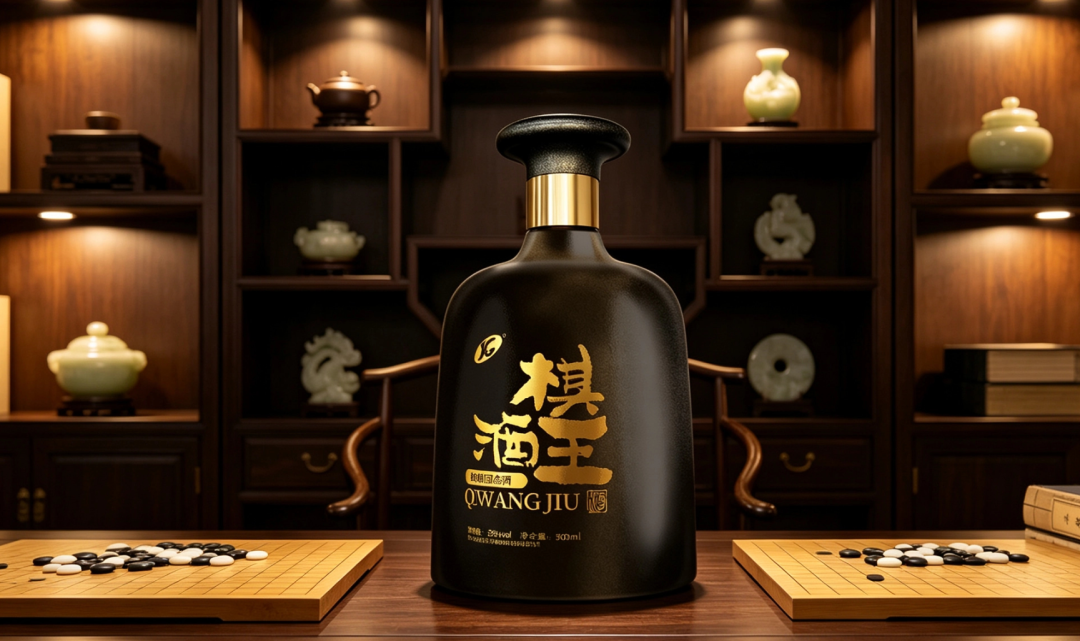
— Matte black porcelain bottle still-life display in a tea room
When the client got the draft, they were a little nervous: isn’t this too understated? I said, take it to your chess friends and see how they react.
He really did. A few old chess friends gathered around the bottle and looked for a long while. One old gentleman turned the bottle around, held it up to the light to look at those two characters, and said: these two characters “棋王” — the gold foil is done with real care.
That one sentence, and the client decided on the spot.
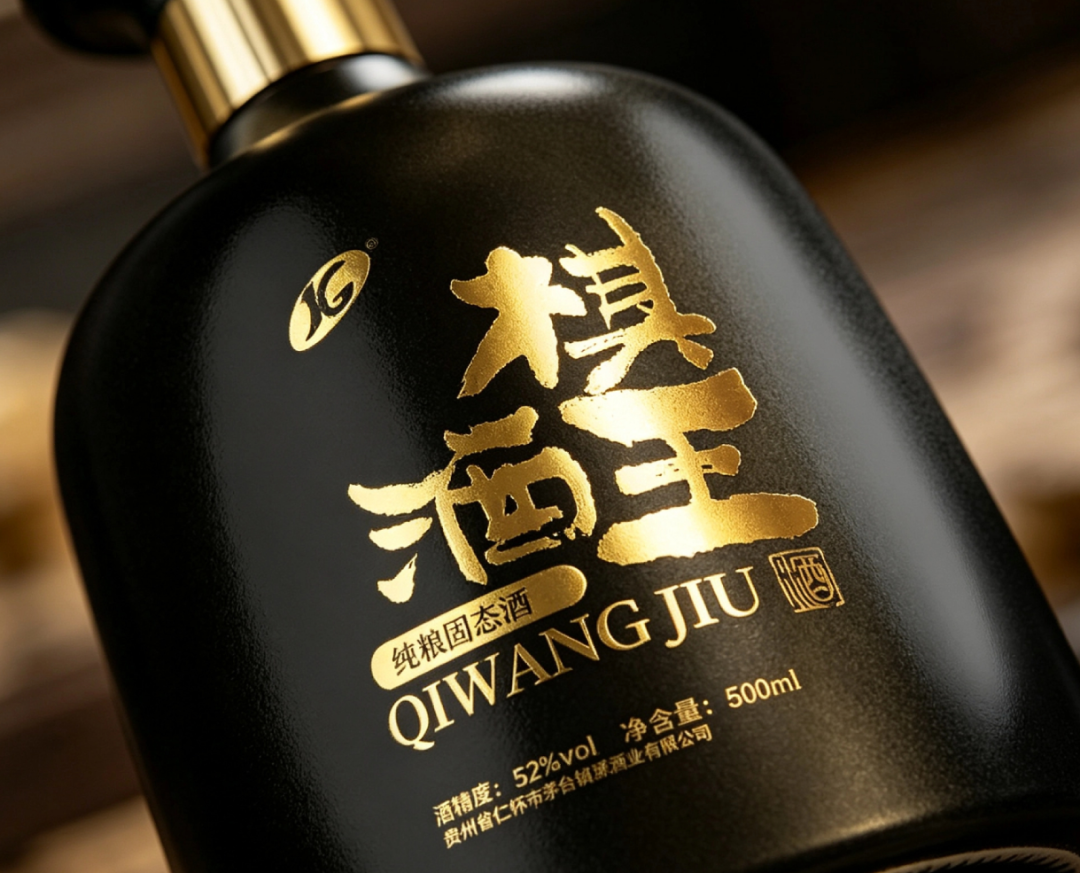
— Close-up of the gold-foiled 棋王酒 calligraphy on the bottle
We didn’t cut corners on the matching gift box either: a black rigid paper box, lined with gray velvet, the two bottles set into custom recesses — the moment you open it, the twin bottles are symmetrical, and the sense of ceremony is maxed out. Inside the lid, a gold chessboard grid pattern and an artistic “棋” character — one theme from inside to out.
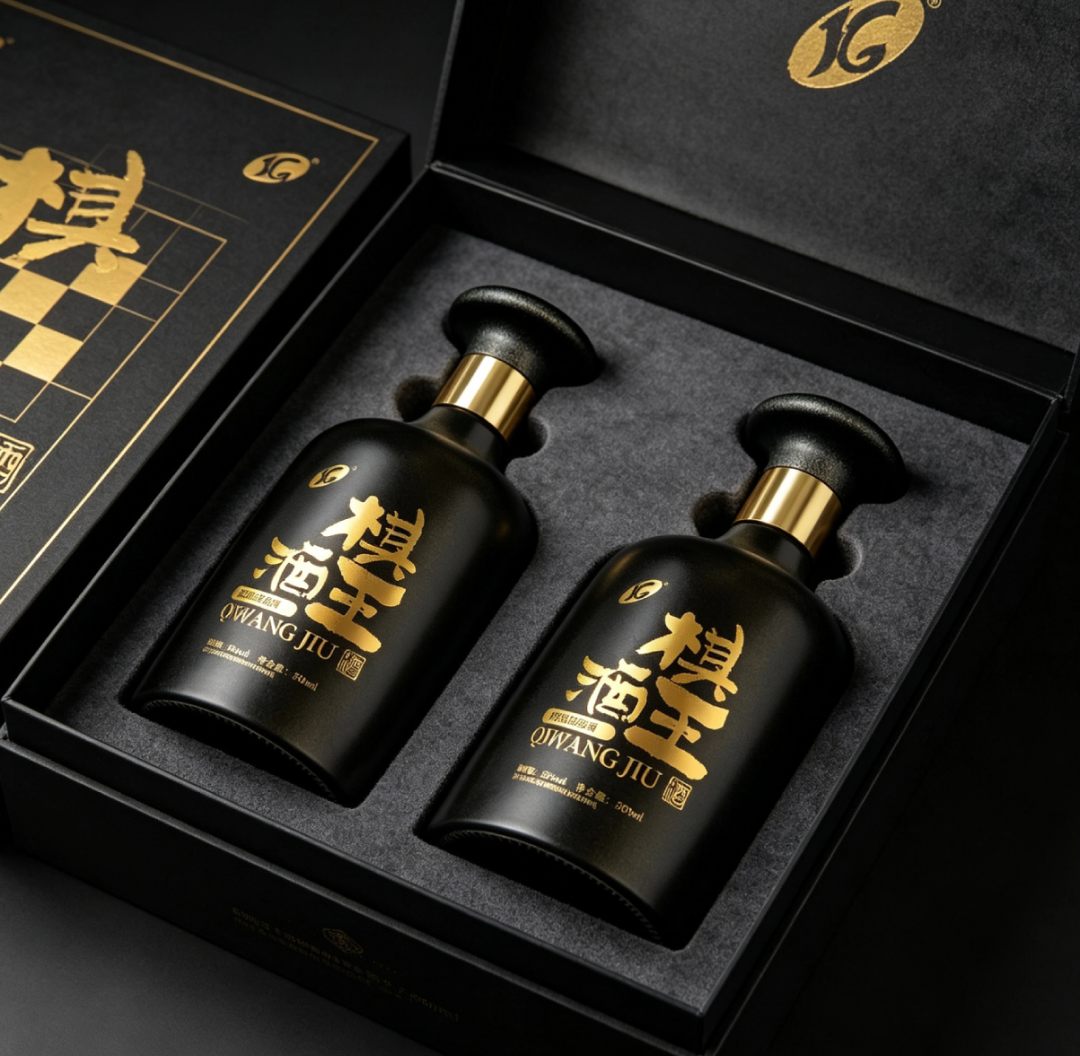
— Unboxing the two-bottle gift box with gray velvet lining
I’ve thought about this a lot since, and the more I think, the more interesting it gets. There’s so much liquor on the market now, and functionally they’re all the same: all brewed from grain. So why do some sell at a high price and still sell well? Because what they’re selling stopped being “liquor” long ago — it’s a kind of identity. Moutai sells “face,” Jiangxiaobai sells “the loneliness of young people,” and Qiwang Jiu sells “the particularity of chess friends.”
— Focused silhouette display of a chessboard and pieces
In marketing, a lot of people think the end goal is moving product. What truly sticks is leaving a sentence in the customer’s heart: this brand is my kind of people.
When chess friends buy Qiwang Jiu, they’re not buying that sip of liquor — they’re buying the self-confirmation of “I’m particular, I understand chess, I have taste.” Give them that identity properly, and the liquor will sell itself; just make the liquor and it’s no different from Old Wang’s bulk liquor next door.
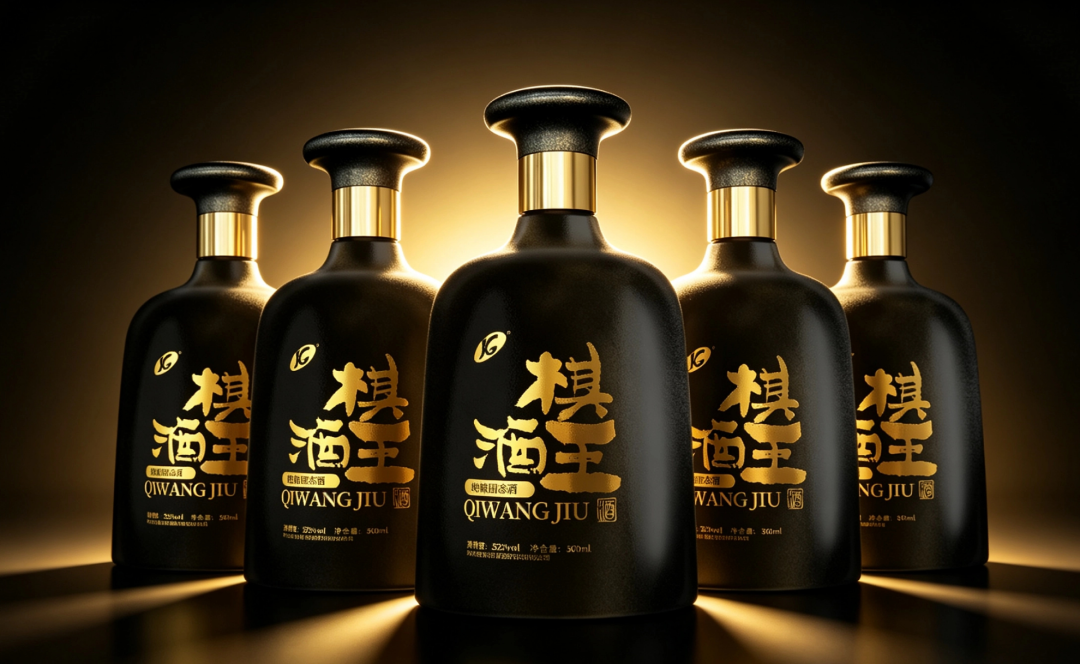
— Spotlit display of a five-bottle array
So when I do packaging, there’s one question I especially love to ask clients: after your customers buy your product, how will they introduce it to their friends?
If you can answer that, your packaging has direction; if you can’t, then let’s sit down and talk that question through first.
Sanyao Packaging
Good packaging speaks.
About This Case: Quick Answers
This article talks about a baijiu approach—can it work for my baijiu product too?
Yes. This logic isn't picky about category—as long as your product sits on the shelf looking like everyone else's and consumers can't recognize you in three seconds, it works. When it comes to execution, we'll build a new plan based on your category, channel, and price band rather than forcing someone else's face onto yours.
If I hire you for baijiu packaging, how do you usually charge, and how long does it take?
We charge per project, depending on category complexity, the number of series, and whether prototyping extensions are included. Typically 2–4 weeks: the first week sets direction and positioning, the second week delivers the concept, and the third and fourth weeks deepen the design and finalize prototyping. Rush jobs can be compressed, but we recommend leaving time for physical prototyping. Send us your materials for a free diagnosis first, then we'll quote.
We're in another city—can we collaborate online?
Yes. Many of our projects are remote collaborations: materials coordinated online, concepts reviewed in the cloud, prototypes shipped by courier. There are no geographic limits—we work with clients nationwide.
Is packaging a cost or an asset?
It's pricing power. If you treat it as a cost to cut, it gets deducted from your selling price; if you treat it as an investment, it tells your story of value before consumers even reach for their wallets. Good packaging does only one thing: it makes the product look—and genuinely be—worth that price.
CommentsBe kind, communicate rationally