
This National Day has a characteristic: people love going to the suburbs, to county towns, to unique places. County-level tourism is up 51%. It's time to upgrade the packaging of local specialties, or travelers won't take them home.
Sanyao: Tourists will disperse, but the battle on the shelf is fought every day. The face of the box must speak more eloquently than the scenic spot's signboard.
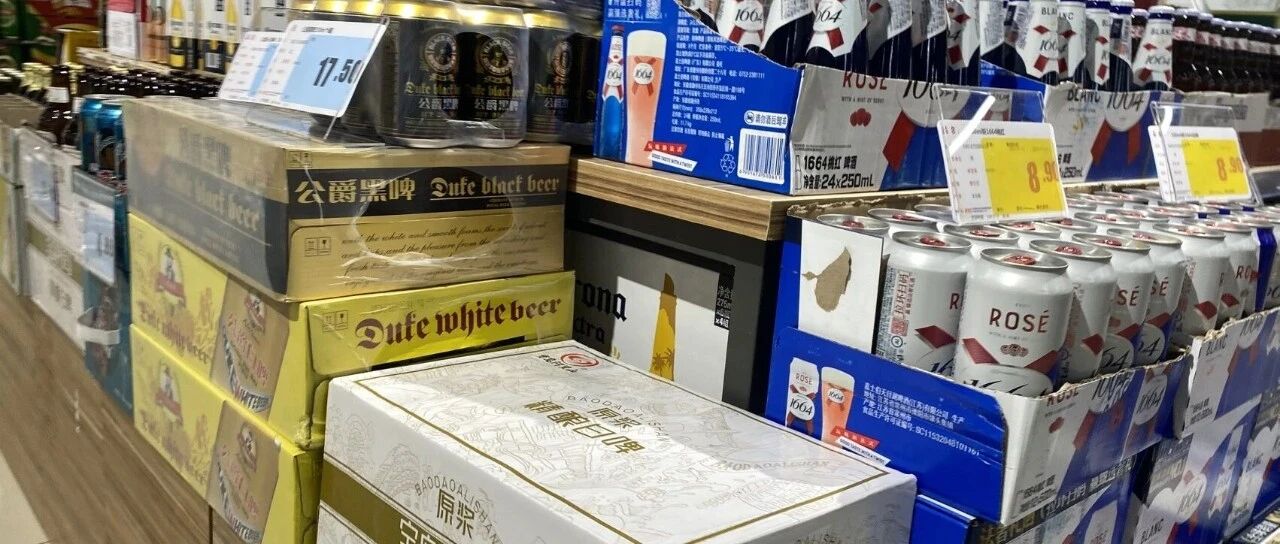
YISANYAO · Planning & Design
Sanyao Planning & Design
Packaging determines perceived pricing · Your product deserves to be seen well
During the National Day holiday, everyone’s social media is showing scenery, but I’m looking at another set of numbers. According to Meituan data, during the holiday, pre-orders for county-level tourism consumption increased by 51% year-on-year, booking popularity for mountain scenic spots rose by over 200% month-on-month, and search heat for cultural and tourism consumption vouchers surged more than fourfold month-on-month. Is this tourism news? For product owners, this is shelf news.
“Reader-friendly note: This article is about 840 words, and reading takes about two and a half minutes. Today we’ll talk about three things—the shelf signals hidden in National Day consumption data, why county-level growth is a window for packaging upgrades, and two side lines: digital RMB going global and the raw material end. After reading, you’ll probably be able to weigh whether your own box should move with this wave of consumption heat.
Let’s start with the facts. People’s Daily, CCTV, and other media are all featuring the 77th anniversary of the founding of New China on their front pages today. On the first day of the holiday, the total cross-regional passenger flow is expected to exceed 330 million person-trips. The items in Xinhua Finance’s morning report struck me more: county-level tourism orders up 51% year-on-year, mountain scenic spot bookings up over 200%, and consumption voucher searches up over fourfold; at the same time, the second batch of 32 national retail innovation and upgrading pilot cities was announced, the China Economic Roundtable focused on “scientific and technological innovation leading industrial upgrading,” and the “15th Five-Year Plan” for promoting the development of small and medium-sized enterprises was also released. There’s another item that’s easy to overlook—the digital RMB cross-border settlement platform CBETS has added 39 domestic and foreign financial institutions.
What do I see in these lively numbers? County-level consumption is picking up, and it’s picking up in a “refined” way, not a “make-do” way. In this column the day before yesterday, I said that the State Council Office directly called “industrial design” the second core technology, and the service industry’s “15th Five-Year Plan” is aiming for 100 trillion. Today, the retail innovation and upgrading pilot has expanded to 32 cities, and scientific and technological innovation leading industrial upgrading has been named, showing that the top level isn’t just making a noise but continuously adding weight to “design plus service.” My statement that “the box is the rigid demand for pricing power” is again supported by data today.
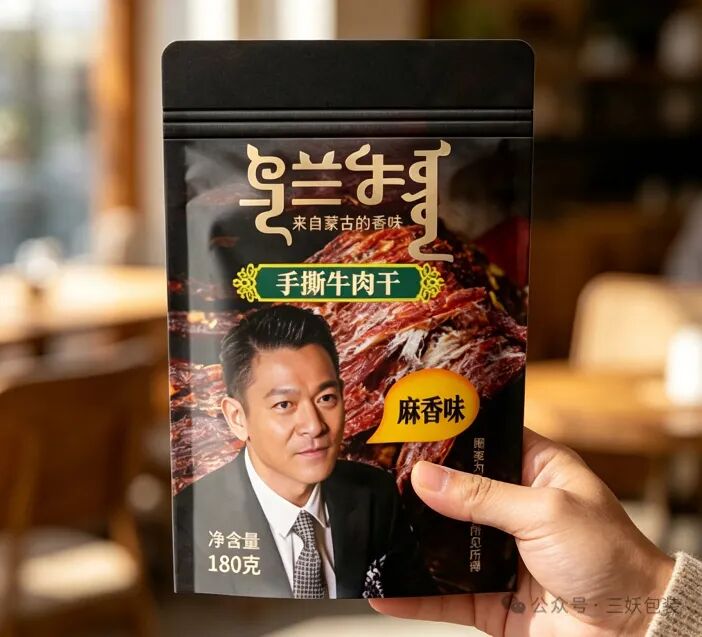
County-level consumption is picking up, and packaging speaks first
Not long ago, I helped a client who sells mountain goods redesign a box. The same goods, originally in a burlap-sack-like colorful mess, didn’t get a second glance in county supermarkets; after switching to a box that lets people see at a glance “why this thing is expensive,” sales immediately changed. County customers don’t recognize your brand; they only recognize whether that face looks worth it at a glance. This is the same logic as mooncakes shifting from a holiday necessity to a quality enjoyment, Huawei Mate90 starting at 5999, and Zeekr’s sales doubling—what’s hot is experience and brand, not cheap goods.
A few other things. Digital RMB cross-border CBETS has added 39 more institutions, making overseas settlement smoother, which further confirms what I said at the end of September: “the certainty of the going-global window is strengthening.” Autumn grain has already been harvested by 20%, and a million-ton-level lithium carbonate equivalent has been discovered in the Chuanxi lithium mine. With agricultural products coming out on one side and raw materials having a foundation on the other, food packaging owners have opportunities on both ends.
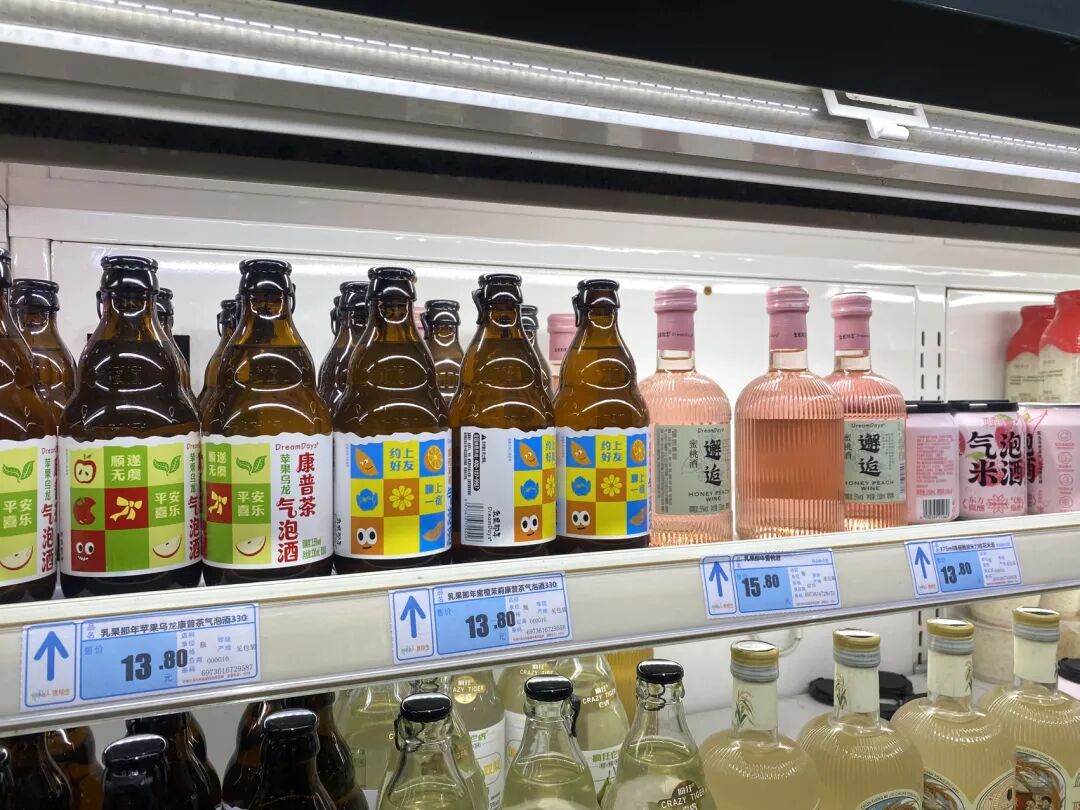
The trust battle on lower-tier shelves starts with a face
Looking at several lines together: consumption is “paying for value,” county-level is taking over, design has been endorsed by the state, and overseas settlement is becoming smoother. In the next three years, whoever makes packaging’s face into pricing power will catch this wave of growth.
Tourists will disperse, but the battle on the shelf is fought every day. The face of your box must speak more eloquently than the scenic spot’s signboard. Don’t you think so?
Sanyao Planning & Design
Years of packaging planning · Wuhu, Anhui
Packaging determines perceived pricing—your product deserves to be seen well
About This Case: Quick Answers
How exactly does a product get "seen" on the shelf?
Consumers give you only three seconds in front of the shelf. The most reliable design works on two levels: from three meters away, grab attention with color and shape; within one meter, stop people with information and cultural trust signals. The root cause of most products not selling isn't that they're bad, but that the "good" isn't shouted out from three meters away.
Does the food strategy discussed in this article apply to my food product?
Yes. This logic isn't picky about category—as long as your product looks similar to others on the shelf and consumers can't recognize you in three seconds, it works. When implementing, we'll re-plan based on your category, channel, and price range, and won't force-fit someone else's face.
What are your usual fees and timeline for food packaging?
We charge per project, depending on category complexity, number of series, and whether sampling and extensions are included. Typically 2–4 weeks: the first week sets direction and positioning, the second week presents concepts, and the third and fourth weeks deepen, sample, and finalize. Rush orders can be compressed, but we recommend leaving time for physical samples. Send your materials for a free diagnosis before we quote.
We're not local. Can we collaborate online?
Yes. Many of our projects are remote collaborations: materials are shared online, proposals are reviewed in the cloud, and samples are sent by courier. There are no geographical limits, and we work with clients nationwide.
CommentsBe kind, communicate rationally