
A strange thought while doing food packaging: why can't it be a book? Buy a book and eat it?
Let me start with a strange phenomenon. I came across a boss who makes farm & specialty produce gift boxes. In a livestream, he held up a beige-covered "hardcover book" and told his followers: this isn't a book, it's
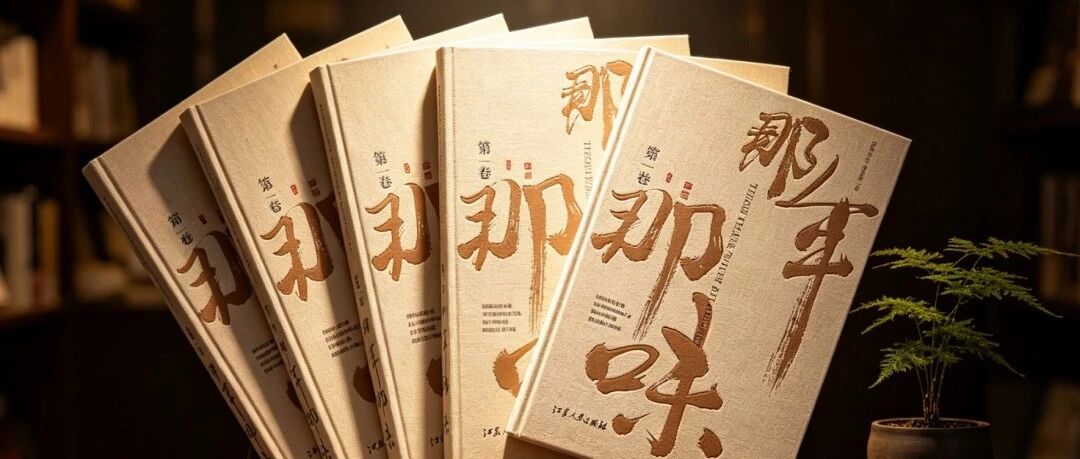
Let me start with a strange phenomenon. I came across a business owner who makes farm & specialty produce gift boxes. In a livestream, he held up a “hardcover book” with a beige cover and told his followers: this isn’t a book, it’s the braised meat and cured goods we make, but you should buy it as a book. Half the comments asked “how do you eat it,” and the other half asked “can I buy just the box?”
At the time I didn’t think much of it. It wasn’t until I went through their real product photos that I realized there was something to this idea—it wasn’t making the packaging look like a book, it was redefining “food” as “something worth collecting.”
That’s what I want to talk about today: the product is still the same product, but once the packaging takes on a new identity, consumers’ expectations shift completely. The case I’m referencing is called “那年那味” (That Year, That Taste), a box of regional specialty flavors that uses the structure of a hardcover book for its gift box. Let me break down exactly what it got right, from the top.
01
Step one: it makes you “afraid to toss it”
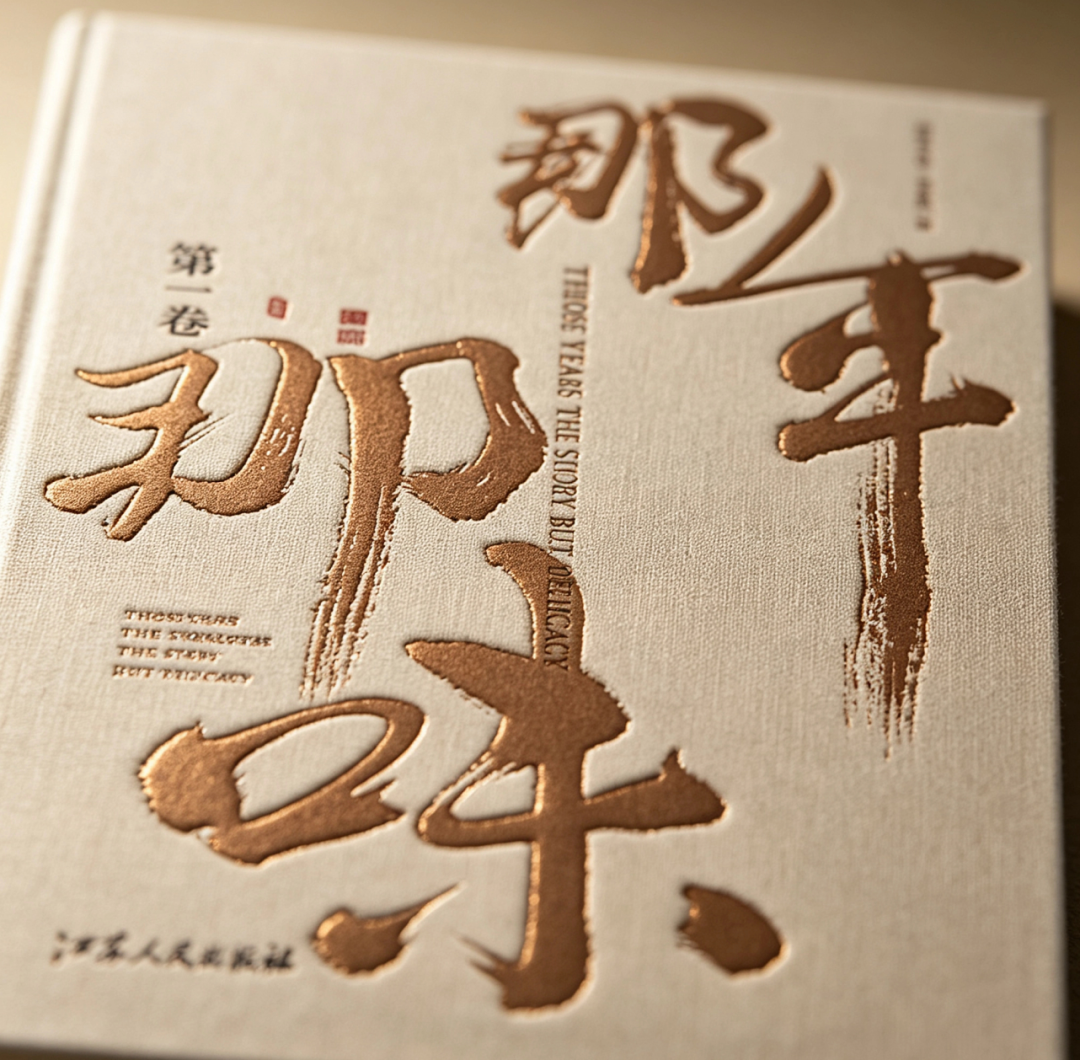
— 那年那味-book-style gift box, overhead shot
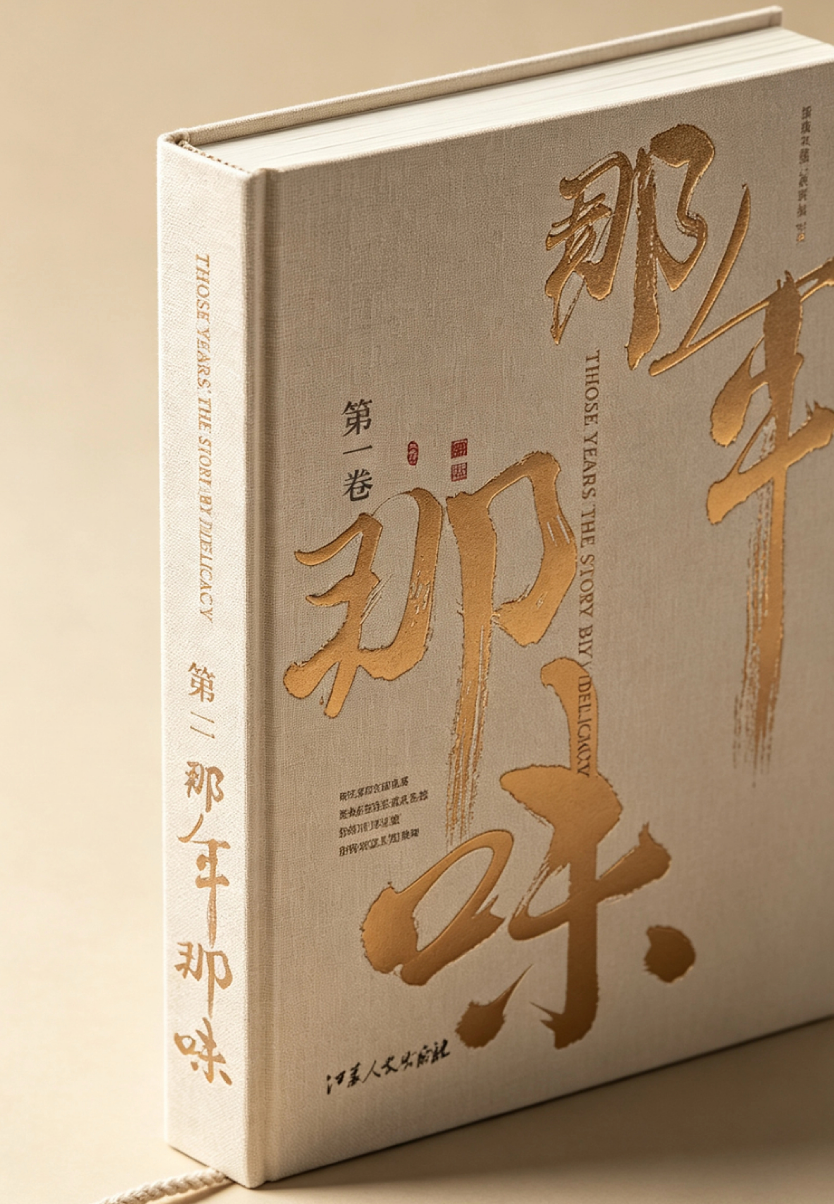
Look at this real photo. A beige fabric-textured cover, gold-foil calligraphy, resting on a linen tablecloth, with a pair of thin-framed glasses, a cup of tea, and an ink bottle beside it. At first glance, who would take this for disposable packaging? No one. It’s just a book sitting there.
There’s a very simple truth behind this: people treat “packaging” and “books” completely differently. Packaging gets torn open and thrown away; books stay on the shelf. If you spend the same amount on a box but can make people reluctant to throw it out, then that box lives on for months beyond the shelf—it sits in people’s living rooms and studies, advertising for you the whole time.
When I do product design myself, clients often ask me “can we shave another thirty cents off the box cost?” The result of shaving thirty cents is usually this: three months later the box is in the trash, without even a photo left behind. Very few people have actually done that math.
02
Step two: it turns “eating” into “opening a book”
— 那年那味-reading scene
This real photo makes it even clearer. A person in a white shirt holds a “book” in both hands, wooden window frames, natural light coming in from the left, like reading an old book. If they were holding an ordinary plastic bag or cardboard box here, the whole image would collapse.
The brilliance is in this “book-like” gesture. A book naturally carries three things: a sense of weight, a sense of leafing through pages, and a sense of belonging to a circle—“only those who’ve read it get to talk about it.” Making a specialty product into a book upgrades the act of “eating” into “opening a story.” Whether you’re giving it as a gift or buying it for yourself, opening it adds a layer of ritual.
Honestly, the first time I saw this kind of packaging, my first reaction was “gimmick”—printing a box to look like a book, who can’t do that? But after looking closely at their product structure, I realized it wasn’t that. They genuinely made the “content” into a book: there’s a cover, there are separate volumes, there are volume titles, and even different flavor categories correspond to different “chapters.” This isn’t just a new skin—the entire narrative has changed.
03
Step three: it makes people willing to “display it out in the open”
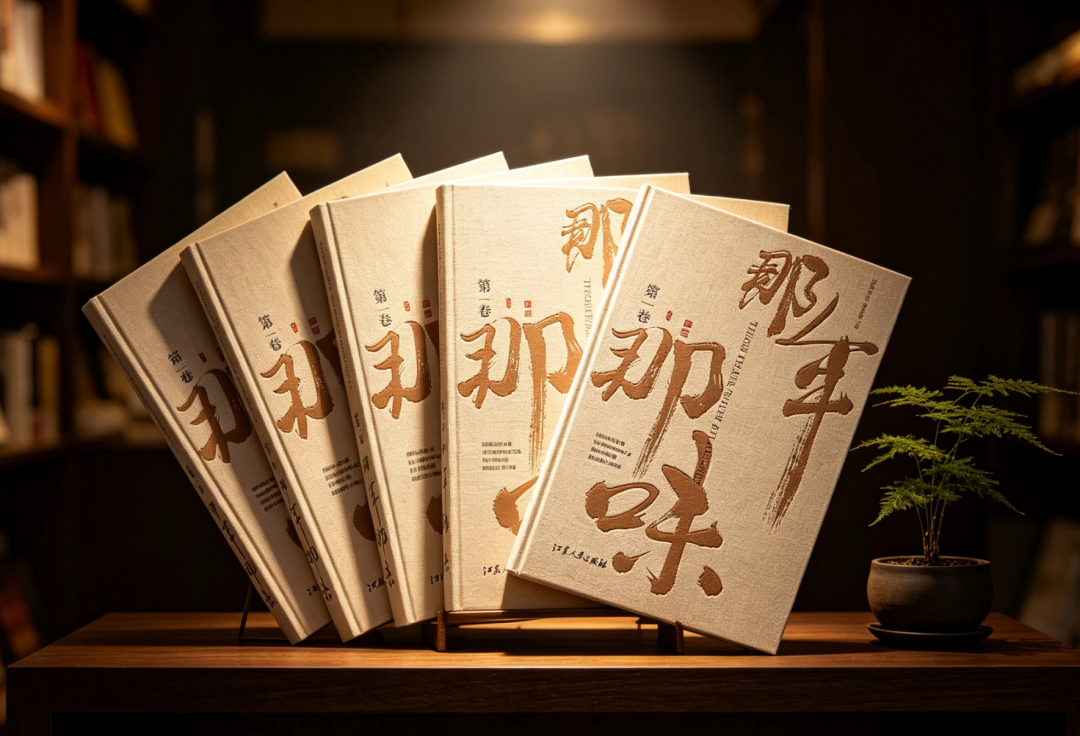
— 那年那味-bookshelf display
Notice this one. Several “books” stand on a dark wood bookshelf, with a desk lamp and plants nearby, blending in perfectly with real books. Now that’s impressive—the way it’s stored is exactly like books.
Think about it: where does an ordinary box of farm & specialty produce get stored? Deep in a cabinet, on top of the fridge, in the junk room. And where does “那年那味” get stored? On the bookshelf. The bookshelf is a home’s “face”—the place guests glance at a little longer when they visit. Once something is displayed out in the open and seen more often, repeat purchase and sharing follow naturally.
I’ll admit this kind of design sets a high bar for a category. Not every product is suited to being made into a book—you need to genuinely have “content” to put inside, a “story” to tell, and enough “weight” to carry a cover. Force it, and it becomes looking like a book just for the sake of looking like a book, which is just awkward.
04
Let me be straight with you
Back to that livestream owner from the beginning. I still remember what he said: sell it as a book, and people think it’s expensive; sell it as “a taste worth collecting,” and people think it’s worth it.
When it comes to packaging, what’s often missing isn’t craftsmanship—it’s identity. The same box: define it as “packaging,” and it’s destined to be thrown away; define it as “a book,” and it enters a whole different life cycle.
So next time you’re upgrading your product’s packaging, don’t rush to change colors or swap materials. First ask yourself one question: what do I want users to treat this as? “Packaging to toss when you’re done,” or “something you can’t bear to throw away”? That answer matters far more than the design draft. (Content is AI-generated and for reference only.)
About This Case: Quick Answers
How exactly does a product get "seen" on the shelf?
Consumers give you only three seconds in front of the shelf. The most reliable approach is to design on two levels: from three meters away, grab attention with color and shape; from one meter in, stop people with information and cultural trust signals. The root cause of most products not selling isn't that they're bad—it's that the "good" never gets shouted out from three meters away.
Can my gift box products use the "That Year, That Taste" approach too?
Yes. This logic doesn't discriminate by category—it works as long as your product looks similar to everyone else's on the shelf and consumers can't recognize you in three seconds. When it comes to execution, we'll redefine the plan based on your category, channel, and price band rather than forcing someone else's face onto yours.
If I hire you for gift box packaging, how do you usually charge, and how long does it take?
We charge per project, depending on category complexity, the number of series, and whether prototyping and extensions are included. Typically 2–4 weeks: the first week sets direction and positioning, the second week delivers concepts, and the third and fourth weeks deepen, prototype, and finalize. Rush jobs can be compressed, but we recommend leaving time for physical prototyping. Send us your materials for a free diagnosis before we quote.
We're in another city—can we collaborate online?
Yes. Many of our projects are remote collaborations: materials coordinated online, concepts reviewed in the cloud, prototypes shipped by courier—no geographic limits, and we work with clients nationwide.
CommentsBe kind, communicate rationally